Book Appointment Now

Eat to Soothe: A Simple Guide to Anti-Inflammatory Living
Inflammation sounds like a complicated biology term, but the truth is: your body feels it long before you ever read it in a textbook. The foods we eat can either fuel tiny internal “fires” or help calm them down—and those small choices quietly shape our energy, mood, digestion, and long-term health. Talking about inflammatory vs. anti-inflammatory foods matters because it’s one of the simplest, most powerful ways to take control of how we feel every single day.
Inflammation:
Inflammation is your body’s built-in defense system—kind of like an internal alarm. When something irritating or harmful shows up (a virus, an injury, too much stress), your immune cells release chemical messengers that create heat, swelling, and extra blood flow to fix the problem. That kind of inflammation is good—it’s protective.
But when this alarm stays slightly turned on all the time—a state called chronic, low-grade inflammation—those same helpful chemicals start to stress your tissues instead of healing them. That’s when you may feel things like fatigue, bloating, joint stiffness, skin flare-ups, or brain fog.
Certain foods can fuel the inflammatory response, mostly by increasing oxidative stress, spiking blood sugar quickly, or irritating the guts (where much of your immune system actually lives!). Other foods contain compounds—like antioxidants, omega-3 fats, fiber, and polyphenols—that help calm inflammation, support healthy gut bacteria, and reduce the immune system’s need to stay on high alert.
What is the Mediterranean Diet
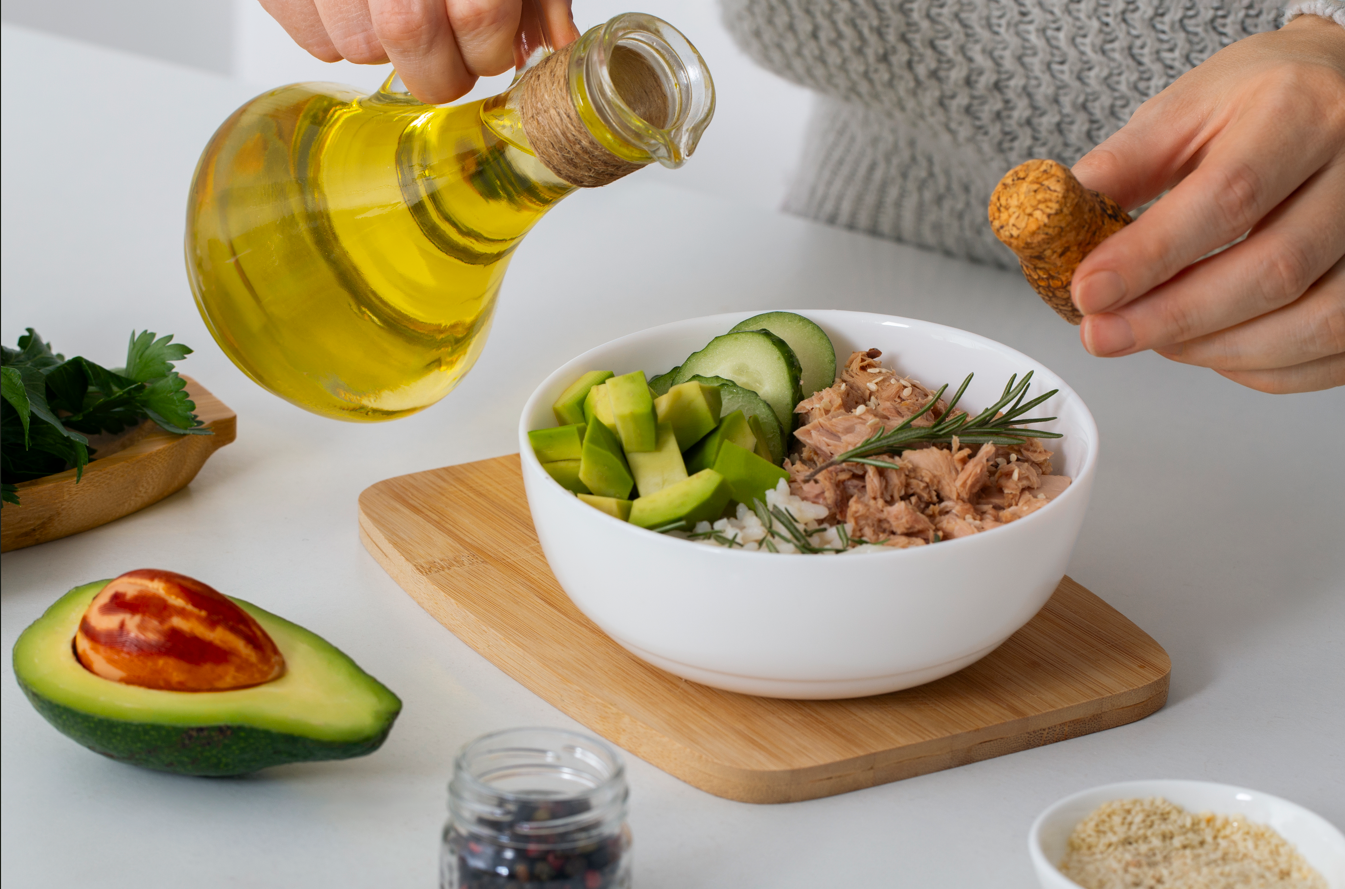
Imagine you live near the sea: simple meals, mostly plants, modest portions, plenty of colour on your plate: leafy greens, fresh vegetables, fruits, legumes, whole grains, nuts, a bit of fish, olive oil instead of butter, with occasional cheese or lean meat. That’s the core of the Mediterranean Diet.
Over decades, scientists noticed people eating this way — around the Mediterranean region — tended to have fewer chronic diseases (heart disease, some metabolic conditions, maybe even slower aging).
But recently we started to understand why it might work — and a big part of that is inflammation.
Think of your body as a house. A steady, quiet home — that’s the ideal. Inflammation is like a small, smouldering fire inside the house. A little smoke now and then is okay — maybe you burned toast, or the fireplace stirred — but it clears. That’s “acute inflammation,” healing the small problems.
But what if you keep tossing logs on the fire? Processed foods, refined sugars, deep-fried snacks, too much red meat, little vegetables — each is like another log. If day after day you feed that fire, the smoke becomes chronic: you feel it in low-level fatigue, stiff joints, digestion troubles, maybe wrinkles, mood dips — subtle but real.
The Mediterranean Diet? It’s like replacing those logs with gentle, cool breezes — water from outside, fresh air, lots of green plants. Here’s how:
- Extra-virgin olive oil (and nuts, seeds, oily fish) brings healthy fats and bioactive compounds that calm immune signaling.
- Fruits, vegetables, legumes, whole grains deliver fiber, polyphenols, antioxidants — these act like smoke-detectors turned off at the right moment: reducing oxidative stress, calming immune overreaction, feeding friendly gut bacteria.
- Eating mostly whole, minimally processed foods means fewer “false alarms” for your immune system.
- Over time, this calmer state helps blood vessels stay flexible, reduces chronic “internal stress,” and lowers risk of diseases linked to inflammation (heart disease, metabolic problems, maybe even some brain or immune conditions).
Following MED isn’t about strict rules or deprivation — it’s more like choosing kindness for your body day after day.
Anti-inflammatory foods:
Fatty fish (e.g. salmon, sardines, mackerel, tuna)
Rich in omega-3 fatty acids (EPA & DHA). These omega-3s help reduce the production of pro-inflammatory signaling molecules (like certain cytokines and eicosanoids), and are linked to lower levels of inflammation markers such as C-reactive protein (CRP).
Leafy greens (spinach, kale, Swiss chard, collard greens, arugula, etc.)
High in vitamins (A, C, E, K), minerals (magnesium, iron, etc.), carotenoids, flavonoids and other antioxidants — these protect cells from oxidative stress and reduce oxidative-stress-driven inflammation. Also provide fiber, which supports healthy gut microbes that further help regulate inflammation.
Cruciferous & other vegetables (e.g. broccoli, cauliflower, Brussels sprouts, bell peppers, tomatoes, beets, sweet potatoes, etc.)
Contain phytochemicals (e.g. glucosinolates, carotenoids, polyphenols, vitamins) with antioxidant and anti-inflammatory effects. These help neutralize free radicals and lower inflammatory signals.
Berries and other colorful fruits (e.g. blueberries, strawberries, raspberries, cherries, grapes, pomegranates)
Rich in polyphenols, anthocyanins, vitamin C, and fiber — compounds that reduce oxidative stress, modulate immune response, and lower inflammatory markers.
Nuts & seeds (e.g. walnuts, flaxseeds, chia seeds, almonds, pumpkin seeds)
Provide healthy unsaturated fats (including omega-3 ALA in some), fiber, minerals and antioxidants. These help support healthy blood vessels, regulate immune responses, and reduce inflammation.
Healthy oils — especially extra virgin olive oil (EVOO)
EVOO contains monounsaturated fats and bioactive polyphenols (e.g. oleocanthal) that act similarly to mild anti-inflammatory drugs, reducing inflammatory signaling and protecting cells from oxidative damage.
Whole grains, legumes, fiber-rich plant foods (e.g. beans, lentils, oats, quinoa, whole-grain breads, etc.)
Their fiber feeds beneficial gut bacteria, which in turn produce short-chain fatty acids and other metabolites that help regulate immune system activity and reduce systemic inflammation. Stabilized blood sugar also means fewer inflammatory spikes.
Spices, herbs, certain plant compounds (e.g. turmeric, garlic, other herbs)
Some — like Turmeric (curcumin) — inhibit inflammatory pathways, reduce production of inflammatory cytokines, and act as antioxidants. Many herbs/ spices are rich in polyphenols and other bioactive compounds that modulate inflammation.
Common, well-studied Inflammatory Foods to Limit

Refined carbohydrates & refined grains (white bread, white rice, many pastries, white pasta, many breakfast cereals, sweets)
These are low in fiber and nutrients, cause quick spikes in blood sugar and insulin — such spikes can trigger inflammation. The rapid digestion and high glycemic load can lead to metabolic stress that promotes systemic inflammation.
Added sugars & sugar-sweetened foods/beverages (sodas, sweets, desserts, sweetened drinks)
High sugar intake is associated with increased inflammatory markers, impaired immune regulation, and greater risk for metabolic disorders. Regular sugar overload can cause insulin resistance, fat accumulation, and chronic inflammatory signaling.
Processed meats and excessive / frequent red meat (sausages, bacon, hot dogs, deli meats; plus large amounts of conventional red meat)
Processed meats often contain additives, preservatives, higher levels of saturated fat, and compounds formed during cooking (like advanced glycation end products, or AGEs) — all of which can trigger inflammatory responses, increase oxidative stress, and raise markers like CRP and pro-inflammatory cytokines
Fried foods, foods with trans fats / unhealthy fats / oxidized oils (fried snacks, many fast-food items, certain margarine / hydrogenated oils, deep-fried meats/foods)**
These introduce unhealthy fats, trans fats and oxidized lipids, which can disrupt cell membranes, promote oxidative stress, disturb vascular and immune function — all contributing to inflammation and elevated inflammatory markers.
Ultra-processed foods and packaged snacks (chips, packaged baked goods, ready meals, sugary snacks, foods with additives/preservatives)
Often high in refined carbs, added sugars, unhealthy fats, sodium — poor nutrient density plus metabolic stress, gut-microbiome disruption and oxidative stress foster chronic inflammation.
Excessive alcohol (or regular heavy drinking)
Can impair gut health, stress liver and metabolic pathways, disturb immune regulation — contributing to systemic inflammation when consumed in excess.
Some Biology ~
Mechanisms (biology behind benefit)
- Antioxidants / polyphenols / carotenoids / flavonoids neutralize free radicals, reducing oxidative stress — a major trigger for inflammatory pathways.
- Omega-3 fatty acids alter cell membrane composition, reduce pro-inflammatory eicosanoid and cytokine production, and modulate immune cell behavior.
- Dietary fiber supports a healthy gut microbiome; gut microbes produce beneficial metabolites (like short-chain fatty acids) that help regulate immune responses and reduce systemic inflammation.
- Whole, minimally-processed foods provide balanced nutrient profiles without provoking inflammatory responses tied to rapid spikes in blood sugar or unhealthy fat intake.
Mechanisms (biology behind harm)
- Rapid blood sugar / insulin spikes from refined carbs or sugary foods trigger metabolic stress, fat accumulation, and inflammatory signaling.
- Saturated fats, trans fats, oxidized fats and certain cooking-related byproducts (like AGEs) can damage cell membranes, promote oxidative stress, and stimulate pro-inflammatory cytokine production.
- Processed foods often lack fiber and antioxidants; lack of fiber hurts gut microbiome health and reduces production of beneficial anti-inflammatory metabolites (like short-chain fatty acids), while oxidative stress remains unchecked.
What we all can do:
-
Favor whole, minimally processed foods: fatty fish, lots of vegetables & fruits, nuts/seeds, whole grains, legumes.
-
Include healthy fats (olive oil, omega-3 sources-cold) rather than saturated or trans fats.
-
Use spices & herbs (e.g. turmeric, garlic) and natural plant foods — many have bioactive compounds that help calm inflammation.
-
Keep added sugar, refined carbs, ultra-processed foods, frequent red/processed meat, fried foods, and excessive alcohol to a minimum.
-
Focus on fiber, antioxidants, omega-3s — nutrients that support gut health, stable blood sugar, balanced immune response and reduced oxidative stress.
Useful websites ~
https://link.springer.com/article/10.1186/s12986-025-00947-8?utm_source=chatgpt.com
https://nutritionj.biomedcentral.com/articles/10.1186/s12937-021-00674-9?utm_source=chatgpt.com
https://pubmed.ncbi.nlm.nih.gov/25244229/
https://academic.oup.com/eurpub/article/28/5/955/5050889?login=false&utm_source=chatgpt.com
https://www.berkeleywellbeing.com/foods-that-cause-inflammation.html?utm_source=chatgpt.com
https://www.healthline.com/nutrition/6-foods-that-cause-inflammation?utm_source=chatgpt.com
https://www.healthline.com/nutrition/13-anti-inflammatory-foods
https://www.katiejaneczek.com/post/foods-that-reduce-inflammation?utm_source=chatgpt.com