

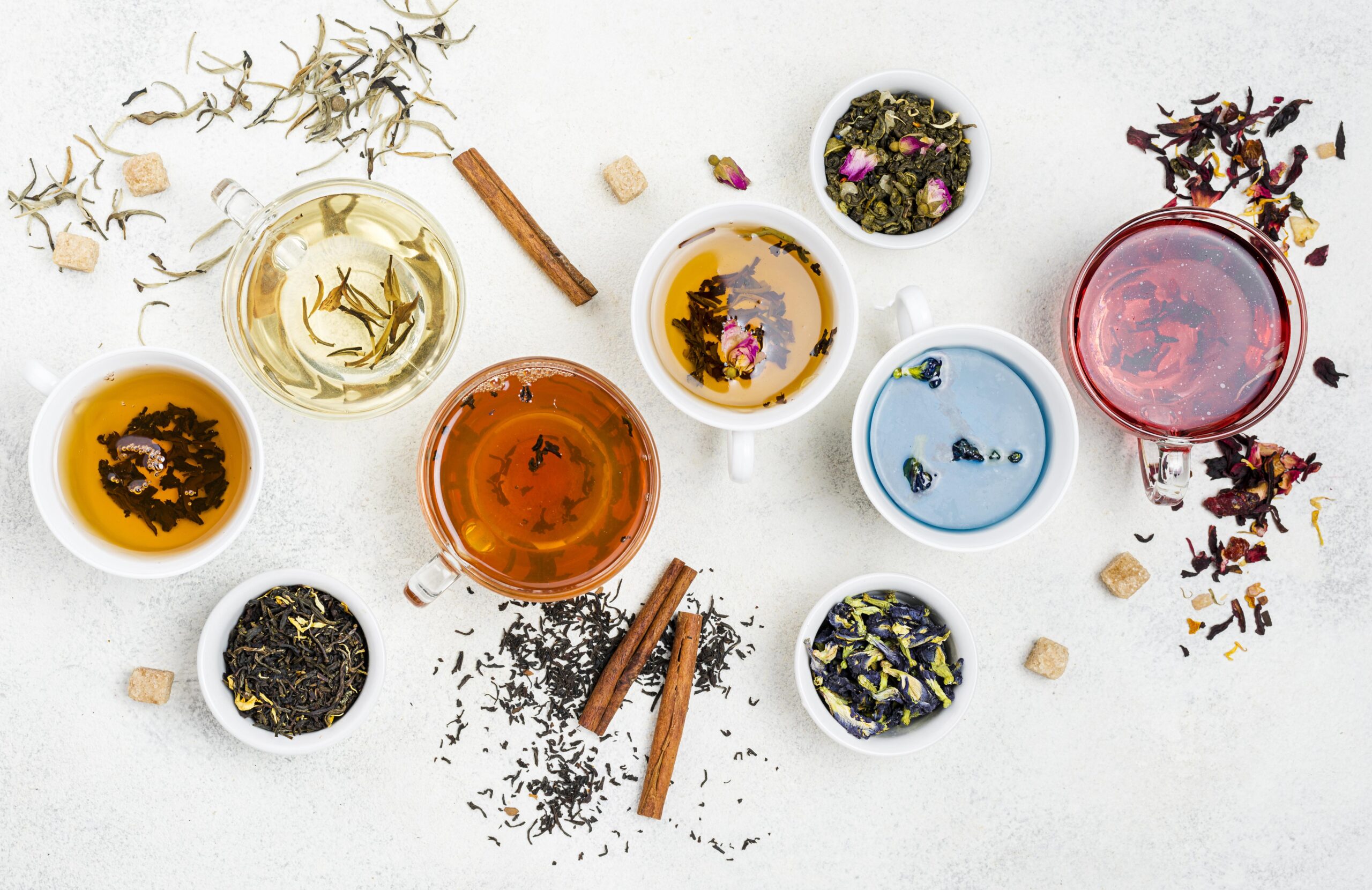
Science-Backed Herbal Support for Cold and Flu Season
Science-Backed Herbal Support for Cold and Flu Season
When the first chilly autumn breeze arrives, so do the sniffles. Before pharmacies fill up and tissues run out, it’s worth remembering that some powerful allies against colds and flu grow quietly in our gardens and kitchen cupboards. Science increasingly confirms what our grandparents knew—certain herbs can meaningfully support cold and flu recovery.Herbs aren’t magic—but they can offer real comfort, relief, and support when our immune system needs it most.
Since colds and flu are viral illnesses, treatment is mostly about supporting the immune response. And to ease the symptoms.
Herbs with anti-inflammatory, antioxidant, or soothing properties can help manage symptoms, making it easier for the body to recover naturally.
Immune-Modulating Herbs
Help prevent infections or reduce their severity
Immune modulators are unique botanicals that support the immune system’s ability to respond to viruses. Their exact mechanisms aren’t fully understood, but they’re thought to stimulate immune activity or offer direct antiviral effects. Some are used preventively, while others work best when taken at the first sign of symptoms within 24-48 hours.
Examples:
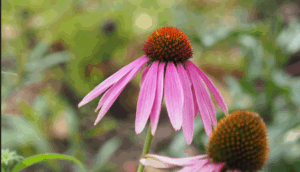
- Echinacea
- Elderberry
- Astragalus
Adaptogens
Increase the body’s resilience to physical and emotional stress
Stress can weaken immune defenses, especially during illness. Adaptogens help the body adapt to stress by influencing stress hormones and immune function, supporting energy and recovery during illness.
Examples:
- Panax ginseng
- Ashwagandha
- Licorice
- Rhodiola
Anti-Inflammatory Herbs
Reduce pain, inflammation, and discomfort
Inflammation contributes to sore throats, body aches, headaches, and joint pain during colds and flu. Anti-inflammatory botanicals work by inhibiting pro-inflammatory compounds, similar to how some pharmaceutical pain relievers function.
Examples:
-
- Willow bark
- Turmeric
- Chamomile
Antimicrobial Herbs
Help fight viruses, bacteria, and fungi
Antimicrobial botanicals may work by stimulating immune defenses or inhibiting pathogen growth. These herbs are most appropriate for mild infections and early-stage illness.
Examples:
- Oregano
- Rosemary
- Thyme
- Cranberry
- Tea tree oil (topical use!)
Expectorant Herbs
Relieve congestion and support respiratory health
Expectorants help thin and expel mucus from the respiratory tract. Some also gently stimulate the cough reflex, making it easier to clear congestion and breathe more comfortably.
Examples:
- Eucalyptus
- Horehound
Hepatic (Liver-Supporting) Herbs
Support detoxification and immune health
The liver plays a critical role in immune function and inflammation control. Hepatic botanicals help protect liver cells, reduce inflammation, and support detoxification—especially important when the body is under stress from illness or medication use.
Example:
- Milk thistle
HOW TO USE THEM?
These herbs by today have several forms of consumption, like
- Tea / infusion- the easiest, that anyone can do eat home, after getting reliable source of leave
- Tinctures (liquid extracts)- usually recommended by professsionals
- Capsules or tablets- You can find them in many shops even
- Syrups (especially elderberry)
- Gummies (often combined formulas)
- Powders (added to smoothies or warm drinks)
- Topical preparations (salves, creams)
- Essential oils
- Juices or concentrates (e.g., cranberry)
- Steam inhalation (eucalyptus)
It is recommended to observe yourself, or anyone who you are reading this post for, what way of consuming is preferable and available for you!
If you need any help, I can help you personally on private lessons!
Let’s summarize!
- Immune modulators for defense
- Adaptogens for stress resilience
- Anti-inflammatories for pain relief
- Antimicrobials for pathogen support
- Expectorants for respiratory comfort
- Hepatics for overall system support
Together, these herbs can help strengthen immunity, ease discomfort, and support recovery—especially when symptoms are mild to moderate.
SYMPTOM-BASED TEA MIXES
Sore Throat
Tea mix: Chamomile + Linden + Thyme
- Why: Chamomile reduces inflammation, linden coats irritated tissues, thyme provides mild antimicrobial support.
Stuffy or Runny Nose (Nasal Congestion)
Tea mix: Peppermint + Thyme + Elderflower
- Why: Peppermint opens nasal passages (menthol), thyme helps loosen mucus, elderflower gently reduces inflammation in nasal tissues.
Dry Cough / Irritated Airways
Tea mix: Linden + Thyme
- Why: Linden’s mucilage soothes scratchy coughs; thyme acts as a natural expectorant. +chamomile if throat irritation is strong.
Syrups are also very helpful in this case, I talk about them in an another article
Wet / Productive Cough
Tea mix: Thyme + Peppermint
- Why: Thyme helps break up mucus; peppermint helps ease breathing and relax the airways.
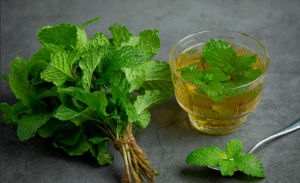
Fever & Chills
Tea mix: Linden + Elderflower
- Why: Both herbs are traditionally used to support sweating, reduce fever discomfort, and aid hydration.
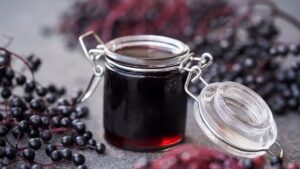
Fatigue / Weakness During Illness
Tea mix: Sea Buckthorn (juice added) + Lemon Balm + Peppermint
- Why: Sea buckthorn boosts vitamin C and antioxidants; lemon balm calms the nervous system; peppermint offers a refreshing lift.
How to use:
Brew lemon balm + peppermint, then add a spoon of sea buckthorn purée once cooled to warm (not hot).
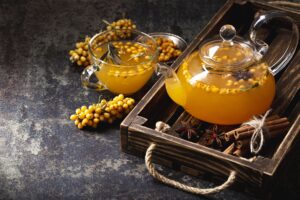
Headache (Common with Cold/Flu)
Tea mix: Peppermint + Chamomile
- Why: Peppermint relaxes tension; chamomile helps ease inflammation and relax muscles.
Tight Chest
Tea mix: Thyme + Linden
- Why: Thyme supports the bronchi and loosens mucus; linden calms inflamed chest tissues.
If chest pain is sharp, persistent, or breathing is difficult → medical care.
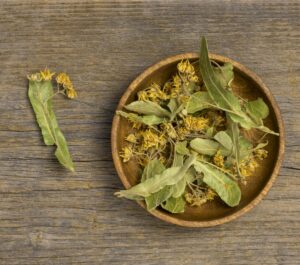
Trouble Sleeping While Sick
Tea mix: Lemon Balm + Chamomile
- Why: Both herbs contain calming compounds (rosmarinic acid, apigenin) that help the body relax and improve sleep, essential for immunity.
Early Symptoms (scratchy throat, light sniffles — “I feel like something is coming…”)
Tea mix: Echinacea + Elderflower
- Why: Echinacea may support early immune activation, elderflower helps reduce early swelling and keeps airways clear.
I tell about other homemade remedies in an another article
It is important to note, if some super- herbal wizard visits you, be precautious!
Effectiveness depends on herb quality, preparation, dosage — and individual health conditions.
In case you are taking any medications!! Consult with your doctor and do deeper research about the specific herbs you are allowed to use!
There is no herbal remedy proven to “cure” viral infections like flu; herbs mostly provide supportive, symptomatic relief or may slightly reduce duration / severity.
Before you dive into your teacup and herbal jars, imagine this:
You’re wrapped in a blanket, candle lit, steam rising from your favorite mug. Nature is doing her part—but she also expects us to be wise.
Herbs are wonderful companions, but they’re not superheroes.
They can soothe, comfort, and support your body—but if a fever climbs too high, if your chest feels tight, or breathing becomes difficult, that’s your cue to call in modern medicine. Think of it like knowing when to treat a drizzle with an umbrella… and when the storm needs a shelter.
Some herbs come with their own personalities, too. Chamomile and echinacea can bother those sensitive to plants like ragweed.
Elderberries must be cooked before use—raw ones can cause more trouble than comfort.
And honey, as lovely as it is, should never be given to babies under one year old.
If you’re pregnant, breastfeeding, taking medication, or have chronic health conditions, treat herbs the same way you’d treat strangers at your door: invite them in only after checking whether they’re truly welcome.
You are unique, like your sickness, so it is needed to have personalized care!
Try one of the herbal mixes above the next time symptoms appear—or better yet, build your own “autumn wellness kit” at home.
And if you enjoyed this guide, share it with someone who could use a warm cup of herbal support this season, and learn more about your health in other articles
Useful resources:
https://pmc.ncbi.nlm.nih.gov/articles/PMC6278270
https://pmc.ncbi.nlm.nih.gov/articles/PMC8948669
https://pmc.ncbi.nlm.nih.gov/articles/PMC10745476
https://pmc.ncbi.nlm.nih.gov/articles/PMC10111629
https://pubmed.ncbi.nlm.nih.gov/36948263/
https://pmc.ncbi.nlm.nih.gov/articles/PMC2995283/
https://pubmed.ncbi.nlm.nih.gov/33371338/
https://pubmed.ncbi.nlm.nih.gov/37764696/
https://pubmed.ncbi.nlm.nih.gov/27055821/
https://pubmed.ncbi.nlm.nih.gov/36948263/
https://pubmed.ncbi.nlm.nih.gov/27055821/