Book Appointment Now

Soothing the Gastro discomfort
This is how it usually begins.
A gentle tightness in the chest after dinner. A heavy feeling in the stomach that lingers too long, leaving you drained rather than nourished. Perhaps a burning sensation in the throat that refuses to fade. At first, it’s easy to brush it off. “Let me enjoy my food — this is one of life’s pleasures.”
As the days pass, digestion slows. Bloating and gas appear, and meals no longer bring comfort, only heaviness. The liver, quietly filtering toxins and processing everything we take in, slowly becomes overworked. Inflammation smolders beneath the surface, and sensitive tissues grow increasingly reactive. We visit the bathroom more often…
This is the moment when the body is not asking to be silenced —
but to be supported.
Long before modern medicine broke symptoms into categories, people listened to these signals. They turned to plants that didn’t suppress the body, but soothed it.
This is where the world of herbal medicine was born.
Not in dramatic cures, but in the gentle restoration of balance.
In hearing discomfort before it becomes disease.
In supporting systems before they are depleted.
And sometimes, healing doesn’t begin by eliminating a symptom,
but by understanding the story the body is trying to tell.
Something that can help:
Carminative herbs
Carminative botanicals are traditionally used to relieve gas, bloating, and indigestion by acting directly on the digestive tract. Biologically, these herbs work by relaxing the smooth muscle lining of the gastrointestinal system, which helps reduce spasms that can trap gas and cause discomfort. Many carminatives contain volatile oils that interact with smooth muscle cells and the enteric nervous system, leading to decreased intestinal tension and improved gut motility. In addition, carminatives help stimulate digestive secretions, including saliva, gastric juices, and bile, which supports more complete digestion of food and reduces fermentation in the gut—a common source of excess gas and bloating.
Examples.
- Peppermint (Mentha × piperita)
- Parsley
- Ginger (Zingiber officinale)
Demulcent herbs
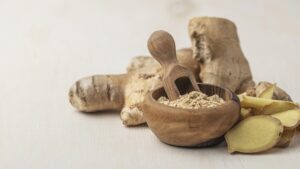
Demulcent herbs are used to soothe and protect irritated or inflamed tissues, particularly within the gastrointestinal tract. These herbs are rich in mucilage, a polysaccharide that forms a gel-like, viscous substance when mixed with water. Biologically, this mucilage coats the lining of the esophagus, stomach, or intestines, creating a mechanical barrier that shields sensitive tissue from stomach acid, inflammation, and further irritation. This protective layer helps calm inflamed mucosa and supports tissue healing. Because demulcents act locally rather than systemically, they are especially useful for conditions involving surface irritation, such as gastritis or esophagitis. However, this same coating effect may reduce absorption of medications, so timing is important.
⚠️ Important:
Demulcents may impair absorption of medications — take meds at least 1 hour before use.
Examples:
- Marshmallow (Althaea officinalis) – root or leaf
- Slippery elm (Ulmus fulva) – inner bark
- Licorice (Glycyrrhiza glabra) – DGL form preferred for safety
Anti-Inflammatory herbs
Anti-inflammatory herbs help reduce pain, swelling, and tissue irritation by influencing inflammatory pathways in the body. Biologically, they work by inhibiting pro-inflammatory mediators, such as certain prostaglandins and cytokines, which are responsible for pain and swelling. In the digestive system, excess inflammation can impair gut motility and increase sensitivity. By calming inflammatory signaling, these botanicals help restore tissue comfort and normal function, making them useful for both acute discomfort and chronic inflammatory conditions.
Examples:
- Ginger (Zingiber officinale)
- Licorice (Glycyrrhiza glabra)
- Turmeric (Curcuma longa)
Diuretics
Diuretic botanicals help the body eliminate excess fluid by increasing urine production through the kidneys. Biologically, they influence renal blood flow and electrolyte handling, promoting the excretion of water and metabolic waste. This can help reduce tissue congestion and support detoxification pathways. Compared to pharmaceutical diuretics, botanical diuretics tend to be gentler, though prolonged use may still affect electrolyte balance, particularly potassium. Monitoring is important with long-term use.
Examples:
- Parsley
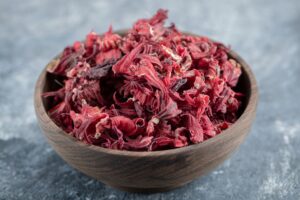
- Hibiscus
- Dandelion
GERD Support
The abbreviation “GERD” is well-known by the people who experience reflux.
Herbs used for GERD focus primarily on protecting the esophageal lining and reducing irritation, rather than suppressing stomach acid. Demulcent herbs form a soothing protective layer over inflamed tissue, while mild anti-inflammatory effects help calm irritation caused by acid reflux. Some botanicals may also support mucosal healing and reduce sensitivity. These herbs are best suited for symptom relief in mild to moderate GERD and are traditionally used as supportive therapies rather than definitive treatments. Timing, dosing, and medication interactions must be considered carefully.
Key Botanical Actions for GERD
- Demulcent → coats and protects tissue
- Anti-inflammatory → reduces irritation and discomfort
- Mild carminative → eases digestive pressure that can worsen reflux
Commonly used herbs:
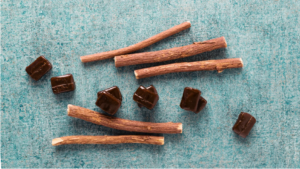
- Licorice (DGL form)
- Marshmallow (leaf or root)
- Slippery elm (dried inner bark)
It is extremely important what form to use these,
For example
Mucilage is a gel-like substance and helps soothe and protect irritated tissues in the throat and gastrointestinal tract. It’s especially helpful for issues like heartburn, reflux, and sore throats. However, hot water can destroy mucilage, which is why these herbs are best prepared soaking in cold or room-temperature water.
Marshmallow root is a great example of a mucilaginous herb. When prepared as a cold infusion, it forms a gentle coating that lines and soothes the GI tract, helping relieve discomfort and irritation. This protective effect is what makes marshmallow especially useful for nighttime reflux.
Taking:
Licorice (Glycyrrhiza glabra, DGL) → chew DGL tablets before meals
→ avoid in pregnancy and if using blood thinners, steroids, diuretics, or digoxin
Marshmallow root (Althaea officinalis) → cold or room-temperature infusion, sip throughout the day
→ avoid taking within 1 hour of medications; use caution with diabetes or immunocompromise
Slippery elm (Ulmus fulva) → powder, capsules, or lozenges between meals
→ avoid taking within 1 hour of medications
Ginger (Zingiber officinale) → dried root capsules or tea in divided doses
→ avoid with blood thinners or if reflux worsens at higher doses
Milk thistle (Silybum marianum) → standardized silymarin extract 2–3x daily
→ may reduce effectiveness of oral contraceptives
Peppermint (Mentha × piperita) → tea for mild GI upset; enteric-coated capsules for IBS
→ avoid with GERD, gallbladder/liver/kidney disease, or cyclosporine use; never ingest undiluted oil
If you want to know more about how these herbs work, and choose and make your own kit in case of emergency, come and have a lesson together.
Useful sources:
https://pubmed.ncbi.nlm.nih.gov/21747893/
https://pubmed.ncbi.nlm.nih.gov/24642205/
https://pubmed.ncbi.nlm.nih.gov/15802416/
https://pubmed.ncbi.nlm.nih.gov/24100754/
https://pubmed.ncbi.nlm.nih.gov/29629059/
https://pubmed.ncbi.nlm.nih.gov/19008265/
https://pubmed.ncbi.nlm.nih.gov/20014183/
https://pubmed.ncbi.nlm.nih.gov/16279916/
https://pubmed.ncbi.nlm.nih.gov/29245314/
https://www.healthline.com/nutrition/licorice-root