Herbs against Migrane
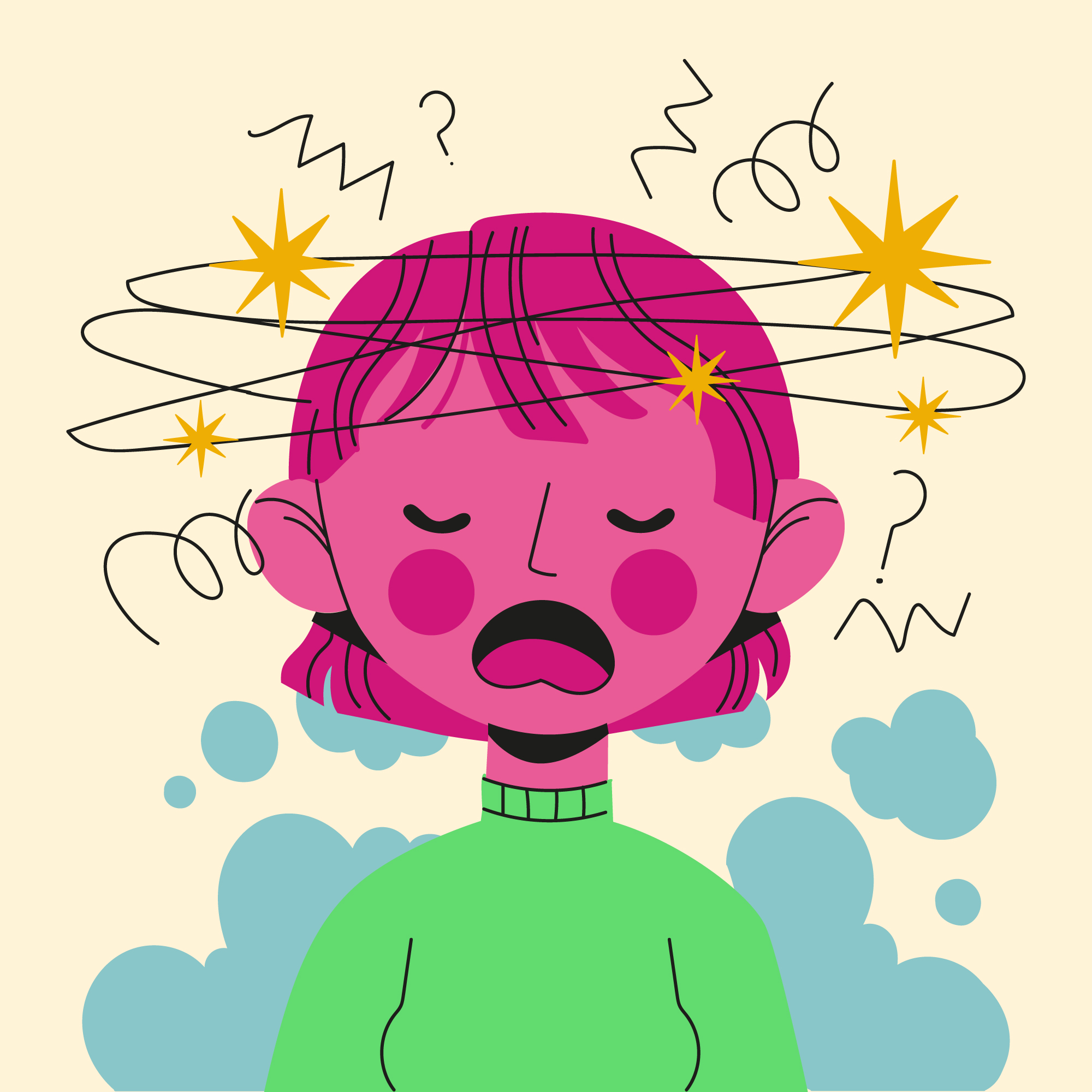
A dull pressure behind one eye. A tightening that slowly claims one side of the head. Light becomes too bright, sounds too sharp, and even the simplest movement feels like too much. For some, the warning comes first — flickering lights, blurred vision, a strange sensitivity to sound — a quiet signal that a migraine is on its way.
Migraines are not rare or imagined. They affect nearly one in seven people worldwide, often bringing nausea, vomiting, and an overwhelming sensitivity to light and sound. Triggers can be as simple — and as frustrating — as a glass of wine, aged cheese, or chocolate. For others, migraines are tied to stress, hormonal shifts such as menstruation, or changes in sleep patterns.
When a migraine takes hold, the world narrows. What the body is asking for is not just relief, but understanding — and gentle support that works with its rhythms rather than against them.
What can help:
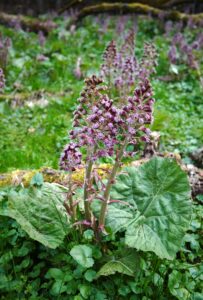
Butterbur (Petasites hybridus)
How to consume:
It is advisable to use a standardized, PA-free extract only. Typical dosing begins with 50 mg taken three times daily for the first month, followed by 50 mg twice daily for maintenance.
Why it helps:
Butterbur has been shown to help prevent migraines and reduce their frequency, likely by relaxing smooth muscle and decreasing inflammatory pathways involved in migraine development.
When to avoid:
Avoid crude or non-standardized products, as butterbur naturally contains pyrrolizidine alkaloids (PAs), which are toxic to the liver. Do not use during pregnancy.
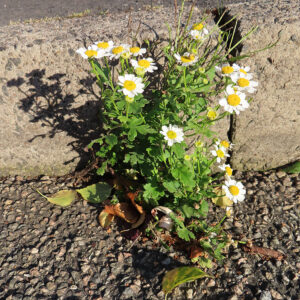
Feverfew (Tanacetum parthenium)
How to consume:
Take a standardized extract containing 0.2% parthenolides (50–125 mg daily), or 80–100 mg of powdered whole leaf per day.
Why it helps:
Feverfew is traditionally used for migraine prevention. Its active constituents may help modulate inflammatory mediators and reduce vascular changes associated with migraine onset.
When to avoid:
Avoid during pregnancy and if using blood-thinning medications. Long-term use may cause withdrawal symptoms, such as headache or muscle and joint stiffness, if stopped abruptly.
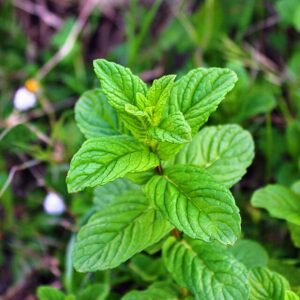
Peppermint (Mentha × piperita)
How to consume:
For acute headache relief, dilute 2–3 drops of peppermint essential oil in 1 oz of a carrier oil and apply topically to the temples and forehead, avoiding the eyes.
Why it helps:
Topical peppermint oil produces a cooling sensation and may help relax tense muscles and reduce headache intensity, making it useful during active headache episodes.
When to avoid:
Avoid during pregnancy and in children under 3 years of age. Perform a patch test first, as peppermint oil may cause mild skin irritation or contact dermatitis.
Botanical therapies are not intended to replace conventional medical care and should be viewed as complementary approaches only. Information about use and dosage is provided for general educational purposes and reflects typical adult use in otherwise healthy individuals. Discussion of specific dosing should remain within one’s professional scope of practice. Individual needs, health conditions, and medication use may require different considerations. Always consult a qualified healthcare provider before starting any botanical or supplement to ensure it is safe and appropriate for you.
Useful sources:
https://pubmed.ncbi.nlm.nih.gov/15623680/
https://pubmed.ncbi.nlm.nih.gov/16232154/
https://pubmed.ncbi.nlm.nih.gov/16987643/
https://pubmed.ncbi.nlm.nih.gov/12230594/
https://pubmed.ncbi.nlm.nih.gov/31404204/
https://pubmed.ncbi.nlm.nih.gov/23196150/
https://pubmed.ncbi.nlm.nih.gov/7954745/